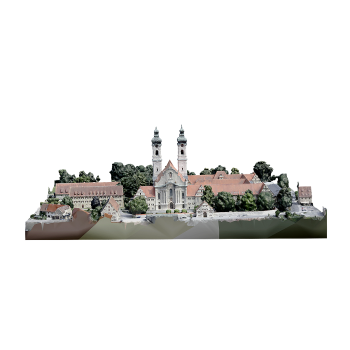
Zwefalten Monastery in Baden-W ü rttemberg, Germany

Zwefalten Monastery in Baden-W ü rttemberg, Germany

A former Benedictine monastery located near Leithringen in the state of Baden-W ü rttemberg, Germany. Built in 1089, during a period of controversy over the right to confer titles, it was established by Jerome of Aham and Count Kuno on the recommendation of the bishop. Not only is it a religious site, but it is also an important component of the region's history and culture. Prior to 1802, it was an important religious and cultural center with profound influence on the surrounding areas. Nowadays, as a historical relic, it attracts numerous tourists and history enthusiasts to visit.
Romanesque period peace church

Romanesque period peace church

It is a religious building with a long history, and its exact construction date is unknown, but it is known to have existed during the Romanesque period. It consists of a narrow nave and a rectangular choir. In the second half of the 14th century, the church underwent expansion, adding a west tower and two side aisles. In the early 15th century, a Gothic choir was added. Unfortunately, the Hussite attack in 1427 resulted in severe damage to the nave, which was later demolished and rebuilt in the second half of the 15th century. Despite experiencing vicissitudes, it remains an important relic for studying medieval religious architecture and regional history. People can learn about the history and cultural value of this church.
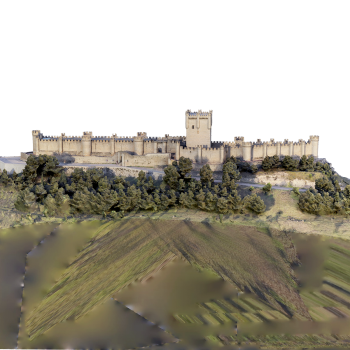
Pe ñ afel Castle, Spain

Pe ñ afel Castle, Spain

A historic castle located in Valladolid Province, Castile and Le ó n Autonomous Community, Spain, and one of the most famous landmarks in the region. The history can be traced back to the 10th century, but its current form is mainly the result of important renovations in the 14th and 15th centuries. In 1917, Pe ñ afel Castle was declared a national monument and became a cultural symbol of the wine route along the banks of the Duero River. Built on a highland near the Douro River, its unique ship design adapts to the needs of the terrain, making it strategically important.
Nepal Patan Palace Courtyard Fountain
Nepal Patan Palace Courtyard Fountain

A historic fountain located in the center of the Patan Palace courtyard in Nepal. It is believed to have been commissioned by King Siddhi Narasimha Malla of Patan in 1628. Not only is it a beautiful building, but its design and decoration reflect the society's emphasis and worship of water at that time. The courtyard was damaged in earthquakes in 1934 and 2015, but fortunately, the fountain itself was almost undamaged as the upper floors collapsed outward. Subsequently, through the efforts of the Kathmandu Valley Conservation Trust, the fountain and courtyard were fully restored.
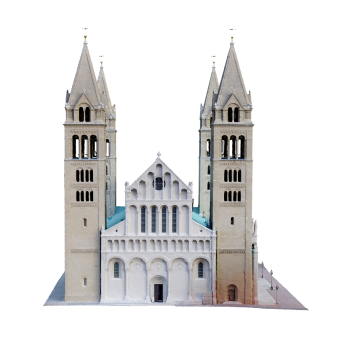
St. Peter and St. Paul's Basilica in P é cs, Hungary

St. Peter and St. Paul's Basilica in P é cs, Hungary

It is the main church and Catholic church in the city of P é cs, Hungary. The history can be traced back to the 11th century, and its existing appearance was mainly reconstructed in the late 19th century based on the design of Frigyes Schmidt. Known for its Neo Romanesque style and four towers, its foundation can be traced back to the ancient Roman period. Not only is it the center of religious beliefs, but it is also a cultural symbol and important historical site of the city of P é cs. It was granted the status of a small temple in 1991 and underwent renovation before Pope John Paul II's visit to Hungary.
Museum of Bourgogne Culture in France

Museum of Bourgogne Culture in France

Located in Bourges, France, it is a building of significant historical and cultural value. Built in the early 16th century, it is an outstanding representative of the early French Renaissance style. Built by the Lallemant family, they not only held important positions in municipal and financial affairs, but also had close connections with the art circle at that time. Located on the Gallic Roman city wall, its unique position creates a sloping passage design that connects the upper entrance to the lower courtyard. Nowadays, it has become a museum of decorative arts, not only a historical and cultural highlight of Bourges, but also an excellent place for tourists to learn about Renaissance architecture and art.
Toledones Observatory in Spain

Toledones Observatory in Spain

A building from the Islamic period located in the city of Torelodones, Madrid Autonomous Community, Spain. The tower was built in Al Andalus during the reign of the Umayyad dynasty from the 9th to the 11th century and is one of the best preserved Islamic watchtowers in the Madrid region. It was declared a cultural property of Spain in 1983 and has the status of immovable cultural relics. The name comes from the trees that grow widely around it, so the nearby village is also known as Toledones. It has become a symbol of the region and has been incorporated into the city emblem. It is a protected cultural heritage site and an important place for tourists to learn about local history and culture.
Wandong Hospital in France

Wandong Hospital in France

A medical institution with a long history located in France. This hospital is renowned for its contributions in the treatment and care of mental illness, with a history dating back centuries. It was once the birthplace of many important medical research and humanitarian reforms, and had a profound impact on the development of modern psychiatry. Between 1794 and 1826, Philippe Pinel served as the chief physician of the Wandong Hospital and was a pioneer in the reform of psychiatric treatment in France. Nowadays, Wandong Hospital continues to provide high-quality medical services to patients with its expertise and contributions in the medical field.
Astino Monastery, Bergamo Province, Italy
Astino Monastery, Bergamo Province, Italy

Located in the province of Bergamo in the Lombardy region of Italy, it is a cultural site with a long history. Located in the picturesque Astino Valley, it is part of the Bergamo Hills Park. Built in 1107, it was constructed by the nobles of Bergamo who purchased land to support the monks of the Valronbrosi Order. The history of the monastery is closely linked to the development of the local society, and has undergone multiple constructions and renovations, including a large-scale reconstruction in the 15th century, forming the magnificent buildings with corner towers that we see today. Witnessing the development of religion, culture, and art from the Middle Ages to the Renaissance, it is an important resource for studying the social history of that time
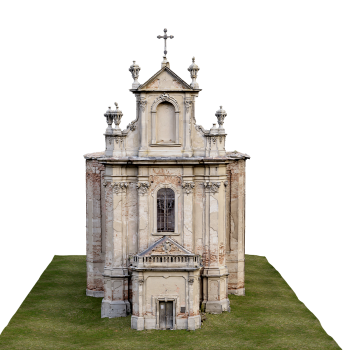
Khodovichavan Cathedral in Ukraine

Khodovichavan Cathedral in Ukraine

The Roman Catholic Church located in the village of Khodovytsia near Lviv, Ukraine. The establishment can be traced back to the 13th century, with the earliest recorded document appearing in 1498. The architectural history of the church has undergone multiple changes. The original wooden church was burned down during the Tatar attack in 1621, and a stone church was rebuilt on the original site. In the mid-18th century, due to the poor structural condition of the church and the risk of collapse, the pastor of a church near Navaria decided to invest in the construction of a new church. The famous architect Bernard Meretin was commissioned to design this church at that time.
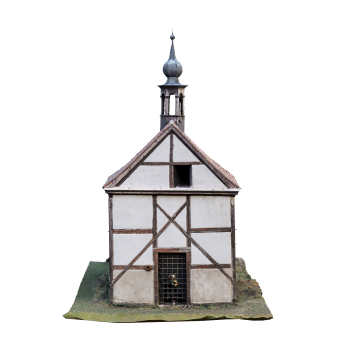
Zubrnice Holy Trinity Church in Czech Republic

Zubrnice Holy Trinity Church in Czech Republic

The Holy Trinity Church in Zubrnice, Czech Republic, is a historically significant religious building. Originally built as a private castle chapel, the exact construction time is unknown, but in 1557, JanK á ba buried his five relatives here. During the Thirty Years' War, the chapel may have been abandoned or looted, but it was later rebuilt from the ruins by Antonio Bruccio and consecrated again in 1635 as an affiliated chapel. Until the reform of Joseph II in the late 18th century, churches regularly held Sunday and holiday worship.
Small Church of Saint Roch, France

Small Church of Saint Roch, France

A historic church located in France. Dedicated to Saint Luke, a widely revered saint who was regarded as a protector and intercessor, especially in the face of epidemics. Built in the 17th century, it was later relocated and rebuilt in the 19th century. It is an important cultural and religious landmark in the local area. Although it is not as grand as the large Gothic cathedrals in northern France, its unique architectural style and historical value make it a place worth visiting. It is a historic building that reflects the local religious beliefs and cultural traditions.
Thibaudier Residence in Japan

Thibaudier Residence in Japan

A historic Western style building located in Yokosuka City, Japan, which is part of the Yokosuka Modern Heritage Museum. Built around 1869, it was the official residence of Jules C é sar Claude Thibaudier, the deputy director of the Yokosuka Naval Arsenal. As one of the oldest Western style buildings on Honshu Island, it witnessed an important historical moment in Japan's modernization process. Before its demolition in 2003, it was an important landmark in Yokosuka City. Now, the Yokosuka City Museum of Modern Heritage is showcasing the original preservation materials of the residence and showcasing the development of the Yokosuka Naval Arsenal.
Sokorta, Croatia

Sokorta, Croatia

It is a medieval defensive fortress located near Dubrovnik, Croatia, situated on a hill above the village of Dunave, near the Croatian Bosnian border. Originally built in the 14th century as a defensive fortress, it played an important role in protecting nearby villages. Having sturdy stone walls, towers, and other defense mechanisms to resist intruders. In 2013, after extensive restoration work, this castle was opened to tourists, and many historical relics were discovered during the restoration process, some of which can be traced back to the late Bronze Age and early Bronze Age.
Baltimore Sixth Fire Station

Baltimore Sixth Fire Station

Also known as the Sixth Engine Room, it is a historic fire station located in Baltimore, Maryland. This two-story brick building is famous for its unique truncated triangle shape and 103 foot high Italian Gothic tower, built between 1853 and 1854. It is said to be one of the oldest fire stations in the city and an important part of Baltimore's architectural and fire history. The design reflects the architectural style of that period and incorporates elements of Gothic revival unique to Italian Gothic style. For many years, it has been an important facility for the city's fire department.
Taugfpilst Orthodox Church

Taugfpilst Orthodox Church

The Orthodox Church located in Daugavpils, Latvia is a historic religious building built in 1897. The construction funds come from businessman M. from St. Petersburg Chukasov provided, and the design and construction supervision were carried out by the war engineer Rashevski, while the specific construction work was completed by the craftsmen of the Daugavpil Fortress. The architectural style embodies typical characteristics of northern Russia and has significant religious and cultural value. Not only does it meet the religious needs of local residents, but it has also become an important historical and cultural symbol of the region.
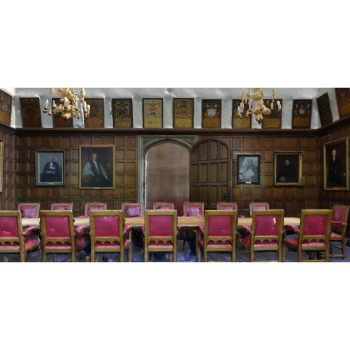
Renovating City Hall in Maryland, USA

Renovating City Hall in Maryland, USA

The historic City Hall building located in Maryland, USA. Known for its classical architectural style and significance in local history. Just a government office space, it is also the center of community activities, carrying the collective memory and emotional connection of local residents. Through careful design, it integrates traditional architectural elements with modern functional requirements. The exterior design is elegant, and the interior space is spacious, suitable for hosting various public events such as municipal conferences, community gatherings, and cultural celebrations. Over time, it has undergone multiple renovations and updates to adapt to the constantly changing social demands.
Ancient Fountain of Corinth, Greece

Ancient Fountain of Corinth, Greece

A historic fountain located in Corinth, Greece, which has historically been an important source of fresh water for the city. It was very important during the Greek and Roman periods, and many architectural relics from the ancient Greek, Roman, and Byzantine periods are still preserved today. Due to ongoing archaeological excavations, it is currently not open to the public. However, people can visit this site online through 3D models. The application of these technologies not only helps to protect and research, but also enables the public to have a deeper understanding and experience of the heritage of this ancient civilization.
Monastery in Northeast Slovakia

Monastery in Northeast Slovakia

A national cultural monument located in the northeast of Slovakia. This historic region is located near the Polish border and is renowned for its rich culture and history. Located on the banks of the Dunajca River, surrounded by Pieniny National Park, it provides a unique environment that combines historical and natural beauty. The monastery is a Gothic architecture with rich historical and cultural heritage, including rare herbal collections such as the "Flying Monk" herb from 1766. Tourists can experience the historical atmosphere of the monastery here, explore its internal exhibitions, and enjoy the magnificent natural scenery around.
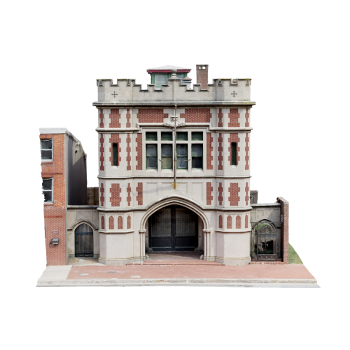
Baltimore Fire Station, USA

Baltimore Fire Station, USA

A historic fire station located in Baltimore, Maryland, USA. A historic fire station located in Baltimore, Maryland, USA. Renowned for its striking Tudor Revival style towers, these towers stand in stark contrast to the modern glass facades of the University of Maryland's biological campus. Designed by local architects Benjamin Buck Owens and Spencer E Designed by Owen, built in 1910, it is located at the intersection of West Baltimore Street and Harbour City Avenue. It is an important component of the Baltimore Fire Department and a part of the city's architectural heritage.
Olesko Ancient Castle in Ukraine

Olesko Ancient Castle in Ukraine

A historic castle located near Olesko village in LvivOblast region, Ukraine. The history can be traced back to the late 14th century and it is one of the oldest castles in Ukraine. Throughout its long history, it has experienced multiple wars and changes, as well as multiple attacks and destruction. In the 17th century, the castle became the property of the Danilowicz noble family and was expanded and renovated in their hands. Not only is it an architectural miracle, but it is also an important witness in the history of Ukraine. The architectural style and decorative details reflect the influence of Gothic, Renaissance, and Baroque styles.
Mir Town Castle, Belarus

Mir Town Castle, Belarus

Located in Mir town, Belarus, it is a historic castle complex that was originally built in the late 15th century and showcases the Gothic architectural style. Throughout its long history, the castle has undergone multiple expansions and renovations, blending Renaissance and Baroque styles to form a unique architectural masterpiece. Surrounded by square walls and towers, it has excellent defensive functions, with narrow windows on the walls and the tower capable of firing shells. In 2000, Mir Castle was listed as a UNESCO World Heritage Site due to its unique historical and cultural value. It has become a must visit destination for exploring the history and culture of Belarus.
RyeHarbour lifeboat station in the UK

RyeHarbour lifeboat station in the UK

A historic lifeboat station located in RyeHarbour, UK. Built in 1926, it is one of the most famous lifeboat stations in the UK. Renowned for its long history and heroic rescue operations. Built with bricks and stones, it has a typical seaside architectural style. Carrying the memories of many heroic life-saving actions. It is a professional lifeboat team base dedicated to rescuing trapped ships and distressed crew members. Respect and commemoration for the lifeboat team. It is an important symbol of British maritime security and a tribute to those who sacrificed heroically in rescue operations.
Scenes around Lemu Church in Finland

Scenes around Lemu Church in Finland

Lemu Church and its surroundings are located in the Masku region of Finland and are a historic church. Built in the 15th century AD, it is one of the oldest wooden churches in Finland. Renowned for its unique architectural style and ancient cultural heritage. Constructed from wood and featuring traditional Finnish architectural style. The Masku area is surrounded by beautiful scenery and pleasant environment. There may be pleasant fields, lakes, and forests in the surrounding area, making it a favorite place for tourists and believers. As a part of Finnish culture and history, Lemu Church and its surrounding attractions are important windows into understanding traditional Finnish architecture and religious beliefs.